
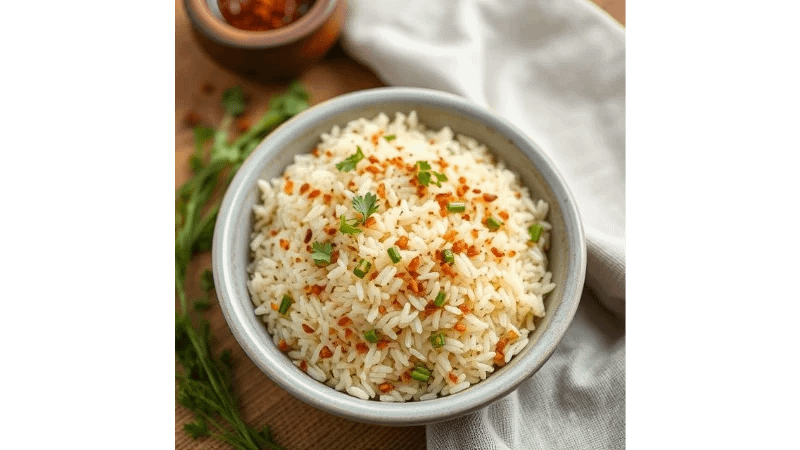
Middle Eastern cuisine captivates food lovers worldwide with its aromatic spices and rich flavors. Rice dishes form the cornerstone of this vibrant culinary tradition. These fragrant preparations transform simple grains into extraordinary meals that satisfy both body and soul.
Regional variations showcase unique ingredients and cooking methods across different countries. Persian jeweled rice sparkles with colorful dried fruits and nuts. Lebanese rice pilaf combines vermicelli noodles with perfectly seasoned grains. Turkish pilav incorporates butter and aromatic spices for unmatched richness.
The Cultural Significance of Rice in Middle Eastern Cuisine
Rice holds profound cultural importance throughout the Middle East region. Families gather around steaming platters during celebrations and everyday meals alike. These dishes represent hospitality, abundance, and the art of sharing food with loved ones.
Ancient trade routes introduced various rice varieties to the region centuries ago. Merchants carried precious grains along the Silk Road, establishing culinary connections between distant lands. Local cooks adapted these imports, creating distinctive regional specialties that endure today.
Traditional preparation methods pass from generation to generation through family kitchens. Grandmothers teach daughters the secrets of achieving perfectly fluffy, separated grains. These time-honored techniques ensure authentic flavors and textures in every serving.
Essential Ingredients for Authentic Middle Eastern Rice
Premium Rice Varieties
Basmati rice delivers the ideal texture and aroma for most Middle Eastern preparations. Long grains remain separate after cooking, creating the perfect foundation for complex dishes. Indian and Pakistani basmati varieties offer superior quality and consistent results.
Jasmine rice provides an excellent alternative with its subtle floral fragrance. Thai jasmine rice works particularly well in Persian and Lebanese recipes. Short-grain rice suits specific preparations like stuffed vegetables and sweet puddings.
Aromatic Spices and Seasonings
Saffron threads create the signature golden color and luxurious flavor profile. This precious spice transforms ordinary rice into an extraordinary culinary experience. Persian cooks consider saffron essential for authentic jeweled rice preparations.
Whole spices like cardamom pods, cinnamon sticks, and bay leaves infuse depth. These aromatics release their essential oils during the cooking process. Ground spices including turmeric, cumin, and allspice add warmth and complexity.
Traditional Fats and Oils
Clarified butter (ghee) provides richness and helps prevent grains from sticking together. Middle Eastern cooks prefer ghee for its high smoking point and nutty flavor. Olive oil offers a lighter alternative while maintaining authentic Mediterranean character.
Vegetable oils work well for everyday preparations and dietary restrictions. Sunflower and canola oils remain neutral, allowing other flavors to shine through. Some recipes call for mixing different fats to achieve optimal taste.
Step-by-Step Cooking Techniques
Proper Rice Preparation
Rinse rice thoroughly until water runs clear to remove excess starch. This crucial step prevents sticky, clumpy results in the finished dish. Cold running water works best for washing basmati and jasmine varieties.
Soak rice for 30 minutes before cooking to ensure even texture. Longer grains benefit from extended soaking periods up to two hours. Drain completely before adding to the cooking pot for best results.
The Perfect Pilaf Method
Heat oil or ghee in a heavy-bottomed pot over medium heat. Add whole spices first to release their aromatic compounds into the fat. This technique creates a flavorful base for the entire dish.
Toast rice grains briefly in the seasoned oil until lightly golden. This step adds nutty depth and helps grains maintain their individual character. Stir gently to coat each grain with the aromatic oil mixture.
Add hot broth gradually while stirring to prevent lumps from forming. The liquid should cover rice by about one inch for optimal absorption. Bring mixture to a rolling boil before reducing heat significantly.
Achieving the Perfect Tahdig
Persian cooks prize the crispy bottom layer known as tahdig or “bottom of pot.” This golden crust requires specific techniques and patience to achieve properly. Many consider tahdig the most prized portion of any rice dish.
Create tahdig by increasing heat during the final cooking minutes. The bottom layer caramelizes while steam continues cooking the upper portions. Listen for gentle crackling sounds that indicate proper crust formation.
Regional Variations and Specialties
Persian Jeweled Rice (Morasa Polo)
This festive Middle Eastern rice showcases colorful dried fruits and nuts throughout. Barberries, pistachios, and almonds create a jewel-like appearance that justifies the name. Saffron threads provide the characteristic golden hue and luxury fragrance.
Persian families serve morasa polo during special occasions and wedding celebrations. Each ingredient represents prosperity, fertility, and good fortune for the future. The visual presentation equals the exceptional taste in importance.
Lebanese Rice with Vermicelli
Lebanese cooks brown thin vermicelli noodles before adding rice and liquid. This technique creates textural contrast and adds subtle wheat flavors. The combination produces a distinctive dish that differs from other regional preparations.
Chicken or vegetable broth replaces water for enhanced flavor development. Bay leaves and whole spices infuse additional aromatics during the cooking process. The finished dish pairs beautifully with grilled meats and vegetable stews.
Turkish Pilav Variations
Turkish cuisine offers numerous pilav variations featuring different ingredients and techniques. Bulgur pilav combines cracked wheat with rice for added nutrition and texture. Nut pilav incorporates toasted almonds, pine nuts, and pistachios throughout.
Istanbul-style pilav includes currants and cinnamon for subtle sweetness. Regional variations reflect local preferences and available ingredients throughout Turkey. Each preparation maintains the essential pilaf cooking method while offering unique characteristics.
Nutritional Benefits and Health Considerations
Middle Eastern rice dishes provide essential carbohydrates for sustained energy throughout the day. B vitamins support nervous system function and cellular metabolism processes. Iron content helps prevent anemia and supports oxygen transport in blood.
Whole spices contribute antioxidants and anti-inflammatory compounds to these preparations. Turmeric contains curcumin, which offers potential health benefits including reduced inflammation. Cinnamon may help regulate blood sugar levels in diabetic individuals.
Basmati rice has a lower glycemic index compared to other varieties. This characteristic helps maintain steadier blood sugar levels after eating. The fiber content supports digestive health and promotes feelings of fullness.
Serving Suggestions and Accompaniments
Traditional Protein Pairings
Grilled lamb kebabs complement the aromatic spices in Middle Eastern rice perfectly. The smoky meat flavors balance the delicate grain preparations beautifully. Marinated chicken pieces also work exceptionally well with these dishes.
Fish preparations like grilled salmon or sea bass pair wonderfully with saffron rice. The subtle seafood flavors don’t compete with the aromatic grain dishes. Vegetarian protein sources include lentils, chickpeas, and grilled halloumi cheese.
Vegetable Accompaniments
Roasted eggplant and zucchini provide Mediterranean flavors that complement rice dishes. Fresh herbs like parsley, mint, and dill add brightness and color contrast. Pickled vegetables offer acidic counterpoints to rich, buttery preparations.
Yogurt-based sauces and dips cool the palate between bites of spiced rice. Cucumber yogurt (tzatziki) and herb-laden yogurt sauces work particularly well. These cooling elements balance the warming spices traditionally used in these dishes.
Modern Adaptations and Fusion Approaches
Contemporary chefs incorporate Middle Eastern rice techniques into fusion cuisine creations. Asian ingredients like coconut milk create interesting cross-cultural combinations. Mexican spices and herbs offer exciting new flavor profiles.
Health-conscious adaptations substitute cauliflower rice for traditional grains in some preparations. These versions maintain the aromatic spice profiles while reducing carbohydrate content. Quinoa and other ancient grains also work well in adapted recipes.
Restaurant presentations often feature individual portions rather than family-style serving platters. Garnishes include microgreens, edible flowers, and artistic sauce drizzles. These modern touches enhance visual appeal while respecting traditional flavors.
Storage and Reheating Tips
Store leftover rice dishes in refrigerator containers within two hours of cooking. Properly stored preparations remain fresh for up to four days maximum. Never leave rice at room temperature for extended periods due to food safety concerns.
Reheat portions in microwave with added liquid to restore moisture and texture. Steam reheating preserves the grain structure better than dry heat methods. Add fresh herbs and spices during reheating to refresh flavors.
Freeze portions in individual containers for convenient future meals up to three months. Thaw overnight in refrigerator before reheating for best results. Some texture changes may occur but flavors remain largely intact.
Frequently Asked Questions
What makes Middle Eastern rice different from other rice preparations?
Middle Eastern rice features distinctive spice blends including saffron, cardamom, and cinnamon. The pilaf cooking method ensures separate, fluffy grains rather than sticky textures. Traditional ingredients like dried fruits and nuts add unique flavors and visual appeal.
Can I substitute regular rice for basmati in these recipes?
While basmati rice provides authentic texture and aroma, jasmine rice works as substitute. Long-grain white rice also produces acceptable results with slight texture differences. Avoid short-grain varieties that become too sticky for traditional Middle Eastern preparations.
How do I prevent my rice from becoming mushy or sticky?
Rinse rice thoroughly before cooking to remove excess surface starch completely. Use proper liquid ratios and avoid stirring during cooking process unnecessarily. Allow rice to rest off heat for final steam cooking phase.
What’s the secret to achieving perfect saffron color and flavor?
Steep saffron threads in warm water or broth for maximum color extraction. Use genuine saffron rather than artificial substitutes for authentic flavor profiles. Add saffron liquid during final cooking stages to preserve delicate characteristics.
How can I make vegetarian versions of traditional meat-based rice dishes?
Replace meat broths with vegetable stocks or mushroom broths for umami depth. Add roasted vegetables, nuts, and legumes for protein and textural interest. Increase spice quantities slightly to compensate for missing meat flavors.
Why does my tahdig (crispy bottom) never turn out right?
Ensure your pot has thick, heavy bottom for even heat distribution throughout cooking. Increase heat gradually during final minutes rather than using high heat immediately. Listen for gentle sizzling sounds that indicate proper crust formation without burning.
Follow us for more intersting information. Feel free to post your commets: