
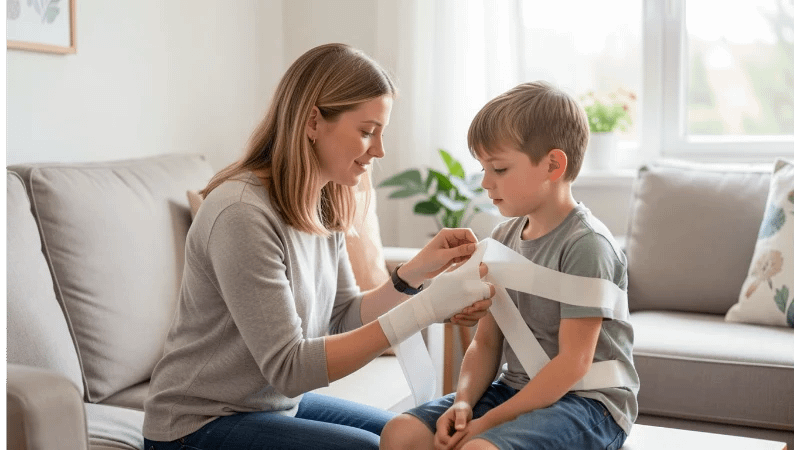
Introduction
Nobody plans for a health emergency. But when one hits, every second counts. Smart households in both the US and the UK know that preparation saves lives. Maintaining first aid supplies at home is not just a good habit — it is a serious responsibility. Whether you live in Manchester or Miami, your home medicine cabinet can be the difference between life and death. Furthermore, having the right supplies reduces panic during high-stress situations. So, stop putting it off. Start building your home health safety net today.
Why a Home Medicine Supply Matters
Accidents and sudden illnesses don’t give you a heads-up. Therefore, being ready ahead of time puts you in a stronger position. According to the CDC Emergency Preparedness Resource Center, households that prepare for emergencies fare significantly better during crises. Additionally, the first few minutes of any health emergency are the most critical. Consequently, having supplies within arm’s reach saves precious time. Think of your medicine cabinet as your household’s frontline defence. Moreover, children and elderly family members are especially at risk. So, a well-stocked medicine supply is a non-negotiable for every responsible home.
Building Your Home Medicine Cabinet: The Essentials
Now, let’s get down to brass tacks. First off, a proper home medicine kit covers far more than plasters and paracetamol. In fact, maintaining first aid supplies at home requires strategic thinking. Below is a solid, no-nonsense checklist every US and UK household needs:
Core First Aid Supplies
- Adhesive bandages in various sizes
- Sterile gauze pads and medical tape
- Antiseptic wipes and hydrogen peroxide solution
- Digital thermometer
- Disposable latex-free gloves
- CPR face shield or pocket mask
- Scissors and tweezers
- Instant cold packs for swelling
Essential Medicines to Stock
- Ibuprofen or aspirin for pain and fever
- Antihistamines for allergic reactions
- Oral rehydration salts (ORS) for dehydration
- Antacids for heartburn or indigestion
- Prescribed medications — keep a week’s extra supply always
- Epinephrine auto-injector (EpiPen) if anyone has severe allergies
💡 Pro Tip: Store all medications in a cool, dry place away from children. Check expiry dates every six months. Visit the NHS Safe Medicine Storage Guide for official UK guidance.
Handling Fatal Health Emergencies at Home
Some situations go well beyond a bog-standard cut or cold. Specifically, cardiac events, severe allergic reactions, and strokes demand immediate action at home. Therefore, your supplies must cover these life-threatening scenarios too. Maintaining first aid supplies at home means thinking beyond the everyday bumps and bruises. Moreover, knowing how to use your kit is just as important as having one. For instance, an EpiPen is useless if no one knows how to administer it properly. So, consider taking a certified course from the American Red Cross First Aid Program or, in the UK, through St John Ambulance Training.
Steps to Take During a Fatal Health Emergency
- Stay calm — panic makes every situation ten times worse.
- Call emergency services immediately (999 in the UK / 911 in the US).
- Retrieve your home medicine kit without hesitation.
- Check the patient’s responsiveness and breathing right away.
- Administer CPR if trained and the person is unresponsive.
- Use an EpiPen for anaphylaxis while waiting for the ambulance.
- Keep the patient warm, still, and as reassured as possible.
- Clearly communicate all medical information to paramedics on arrival.
Oil Massage for Soreness and Stiffness
Beyond emergencies, everyday muscle aches are a proper pain in the neck — literally. Subsequently, many households overlook natural remedies that complement medicine supplies effectively. In particular, therapeutic oil massage actively combats muscle soreness and joint stiffness. Therefore, keep a small bottle of eucalyptus, lavender, or peppermint oil in your home kit. Research published via the National Institutes of Health (NIH) supports the topical use of essential oils for natural pain relief. Moreover, a warm oil massage applied in circular motions eases stiffness within minutes.
Quick Oil Massage Guide:
- Warm a small amount of oil between your palms first.
- Apply to the sore area using firm, circular motions.
- Continue for 10–15 minutes consistently.
- Cover with a warm cloth afterwards for deeper relief.
- Repeat twice daily as needed for best results.
Maintaining and Refreshing Your Home Medicine Supply
Stocking up once and forgetting about it is a rookie mistake. Instead, treat your medicine cabinet like a perishable pantry that needs regular attention. Therefore, set a reminder every six months to do a proper audit. Consequently, you will catch expired medications well before a crisis hits. Furthermore, maintaining first aid supplies at home means replacing used items the same week — don’t let gaps build up. Additionally, keep a simple printed inventory list taped inside the cabinet door. Reference the Standard First Aid Kit Components on Wikipedia for a universal checklist. Overall, an updated kit always beats a dusty, expired one.
Special Considerations for US and UK Households
There are a few key differences worth flagging between the two countries. For starters, Americans can easily purchase an AED (automated external defibrillator) for residential use. However, these devices are far less common in British homes. Furthermore, prescription medication laws differ significantly — always follow your country’s specific legal guidelines. In the UK, the NHS 111 service provides round-the-clock non-emergency medical advice. Similarly, US households should save the Poison Control Center helpline directly in every household member’s phone. Additionally, both countries strongly recommend maintaining first aid supplies at home as a basic civic responsibility. Overall, regardless of your postcode or zip code, the goal stays the same — stay safe, stay prepared.The key lies in understanding that wellness isn’t all-or-nothing. Instead, small consistent actions create massive results over time. Therefore, let’s explore how to integrate health into your busy life.
FAQs
1. How often should I check and restock my home medicine supplies? Check your cabinet every six months at minimum. Replace any item immediately after use. Set a recurring phone reminder on January 1st and July 1st — it keeps things sorted all year.
2. What is the single most critical item when maintaining first aid supplies at home? Every household is different. However, a thermometer, antiseptic wipes, bandages, and pain relief form the non-negotiable core that no home should go without.
3. Should I stock an EpiPen even if no one has known allergies? Not necessarily. EpiPens require a prescription in both the US and UK. Therefore, only stock one if a household member carries a diagnosed allergy. Always consult your GP or physician first.
4. Can essential oils replace conventional medicines in a home kit? No — oils like lavender and eucalyptus work brilliantly as complementary tools for soreness relief. However, they cannot replace proper medications or emergency supplies. Use them alongside your kit, not instead of it.
5. Where should I store home medicine supplies safely? Choose a cool, dry location — ideally a locked cabinet out of children’s reach. Avoid bathrooms, as humidity degrades medicines faster. A hallway or bedroom cabinet is a much better shout for long-term storage.
6. Is a first aid course necessary if I already have supplies at home? Absolutely yes. Supplies without knowledge are severely limited in a real emergency. Take a certified course through the American Red Cross or St John Ambulance and actually learn how to use what you’ve got.

