
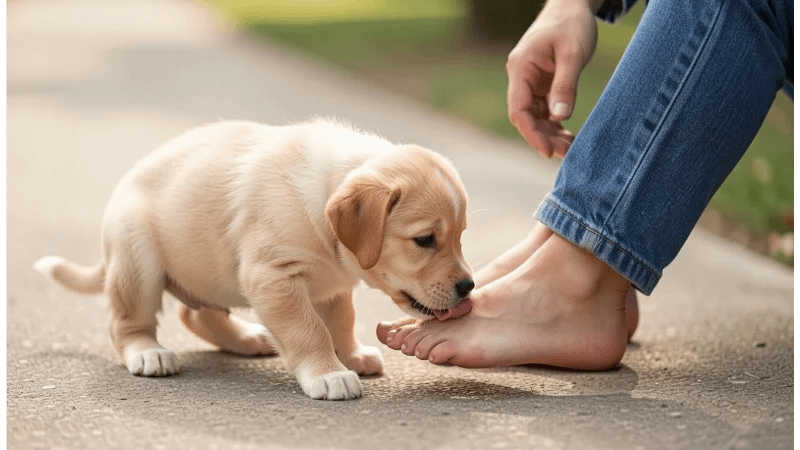
Introduction: Understanding the Hidden Dangers of Dog Saliva
Most people think dog licks are harmless signs of affection—but that’s not always true. Moreover, your beloved pet’s saliva contains bacteria that can cause serious health complications. However, understanding the risks doesn’t mean you need to fear your furry companion. Sepsis from dog lick remains relatively rare but represents a genuine medical emergency when it occurs. Furthermore, certain individuals face significantly higher risks than the general population does. In this article, you’ll discover how bacterial infections from dog saliva can progress dangerously. Additionally, we’ll explore prevention strategies and warning signs you absolutely cannot ignore. Whether you’re a dog owner or frequently interact with canines, this information could save your life. By the end, you’ll understand exactly when dog licks become medically concerning situations.
Understanding Sepsis and Its Connection to Dog Saliva
Sepsis occurs when your body’s immune system overreacts to infection and attacks itself. Consequently, this extreme response can lead to tissue damage, organ failure, and death. The bacteria commonly found in dog mouths include Capnocytophaga, Pasteurella, and Staphylococcus species. Moreover, these microorganisms normally don’t cause problems in healthy individuals with intact skin. Sepsis from dog lick typically develops when bacteria enter through open wounds or compromised areas. Furthermore, people with weakened immune systems face dramatically elevated risk levels compared to others. Research shows that Capnocytophaga infections specifically can progress to sepsis within 24-72 hours. Therefore, recognizing early symptoms becomes absolutely critical for survival and positive outcomes. Additionally, the mortality rate for sepsis remains alarmingly high even with modern medical interventions.
Risk Factor #1: Compromised Immune System
Who Faces the Highest Danger
Certain medical conditions significantly increase your vulnerability to sepsis from dog lick complications dramatically. Here’s who needs to exercise extreme caution around dog saliva exposure:
High-Risk Individual Categories:
- People undergoing chemotherapy or radiation treatment for cancer currently
- Individuals taking immunosuppressive medications for autoimmune conditions or transplants
- Those with HIV/AIDS or other immune-deficiency disorders diagnosed
- Diabetics with poorly controlled blood sugar levels consistently
- Individuals without spleens due to surgical removal or dysfunction
- Elderly people over 65 years old with declining immunity
- Infants and young children with developing immune systems still
- People with chronic liver disease or alcoholism affecting immunity
- Those taking long-term corticosteroid medications for various conditions
- Cancer patients receiving targeted biological therapies regularly
- Individuals with severe malnutrition or eating disorders present
- People with chronic kidney disease requiring ongoing medical management
Understanding Immune Compromise Mechanisms
Your immune system normally neutralizes bacteria before they cause systemic infections successfully. However, compromised immunity allows bacteria to multiply and spread throughout your bloodstream unchecked. Moreover, the immune response differences in vulnerable populations create perfect conditions for sepsis. Additionally, medications that suppress immunity do so by design to treat other conditions. Therefore, the very treatments keeping some people alive simultaneously increase infection vulnerability significantly.
Risk Factor #2: Open Wounds and Broken Skin
How Bacteria Enter Your Body
Intact healthy skin provides an excellent barrier against bacterial invasion from external sources. However, even tiny breaks in this protective barrier create entry points for infection. Sepsis from dog lick most commonly occurs when dogs lick cuts, scrapes, or surgical wounds. Moreover, people often don’t realize that seemingly minor skin damage can prove dangerous. Additionally, chronic skin conditions like eczema or psoriasis compromise the skin’s protective function.
Common Entry Points for Bacteria:
- Fresh cuts or lacerations from accidents or injuries
- Surgical incision sites still healing from recent procedures
- Diabetic ulcers or pressure sores on feet or legs
- Severe acne lesions or picked scabs that aren’t healing
- Cracked, dry skin on hands or feet with fissures
- Insect bites or stings that have been scratched open
- Burns of any degree that have damaged skin layers
- Puncture wounds from needles, splinters, or other objects
- Areas where medical devices penetrate skin like catheters
- Rashes with open, weeping areas that are exposed
Why Dog Saliva Creates Perfect Infection Conditions
Dog mouths contain hundreds of bacterial species that thrive in warm, moist environments. Consequently, when saliva contacts broken skin, bacteria immediately begin colonizing the exposed tissue. Moreover, dog saliva contains proteins that can suppress certain immune responses in wounds. Additionally, the mechanical action of licking introduces bacteria deep into tissue rather than surface contact. Therefore, even small amounts of saliva in wounds can establish significant infections rapidly.
Recognizing Early Warning Signs of Sepsis
Time becomes absolutely critical when sepsis begins developing in your body after exposure. Moreover, early recognition and immediate medical treatment dramatically improve survival rates and outcomes. Sepsis from dog lick progresses rapidly, often within hours of symptom onset initially. Additionally, many early symptoms seem minor and get dismissed as simple infections. Therefore, knowing what to watch for could literally save your life or someone else’s.
Early Sepsis Warning Signs:
- Fever above 101°F (38.3°C) or hypothermia below 96.8°F (36°C)
- Rapid heart rate above 90 beats per minute at rest
- Rapid breathing rate above 20 breaths per minute consistently
- Extreme fatigue or weakness that seems disproportionate to activity
- Confusion, disorientation, or difficulty concentrating on simple tasks
- Severe pain or discomfort in the wound area disproportionate to size
- Red streaks extending from the wound site toward your heart
- Increased warmth, swelling, or pus discharge from wound areas
- Nausea, vomiting, or diarrhea without obvious gastrointestinal cause
- Skin that feels unusually cool, pale, or develops a mottled appearance
- Decreased urine output or dark-colored urine over several hours
- Persistent shaking, chills, or feeling extremely cold despite warm environment
When to Seek Emergency Medical Care Immediately
Don’t wait if you experience these symptoms after a dog has licked your wound. Moreover, call emergency services or go directly to the emergency room without delay. Additionally, inform medical staff immediately that you had contact with dog saliva recently. Furthermore, mention any underlying health conditions that might compromise your immune system function. Therefore, rapid antibiotic administration becomes critical for preventing progression to severe sepsis.
Prevention Strategies: Protecting Yourself from Infection
Prevention remains far easier than treating sepsis from dog lick after infection develops. Moreover, simple precautions dramatically reduce your risk without compromising your relationship with pets. Additionally, these strategies prove especially important for high-risk individuals mentioned earlier. Therefore, implementing these practices should become automatic habits for all dog owners.
Essential Prevention Measures:
- Never allow dogs to lick open wounds, cuts, or broken skin
- Wash any area licked by dogs immediately with soap and water
- Cover cuts and wounds with waterproof bandages before dog interaction
- Keep dogs’ mouths away from your face, especially near eyes
- Maintain good hand hygiene after petting or playing with dogs
- Ensure dogs receive regular veterinary care and dental cleanings
- Train dogs not to lick faces or jump on people
- Supervise interactions between dogs and immunocompromised individuals closely
- Seek immediate medical attention if wounds show infection signs
- Consider limiting dog ownership if severely immunocompromised
Special Precautions for High-Risk Individuals
People with compromised immune systems need additional protective measures beyond standard precautions. Consequently, some doctors recommend avoiding dog ownership entirely during vulnerable periods like chemotherapy. Moreover, family members should wash hands before touching immunocompromised individuals after handling pets. Additionally, keeping dogs out of certain rooms like bedrooms provides another protective layer. Furthermore, regular veterinary checkups ensure dogs remain healthy and less likely to carry harmful bacteria.
Treatment Options and Medical Interventions
Early antibiotic treatment provides the best outcomes for sepsis from dog lick cases. Moreover, doctors typically start broad-spectrum antibiotics before identifying the specific bacterial cause. Additionally, treatment often requires hospitalization for intravenous medication administration and close monitoring. Furthermore, severe cases may need intensive care unit admission for organ support.
Standard Treatment Protocols:
- Immediate broad-spectrum intravenous antibiotic therapy started urgently
- Aggressive intravenous fluid resuscitation to maintain blood pressure
- Vasopressor medications if blood pressure drops dangerously low
- Oxygen therapy or mechanical ventilation for respiratory support
- Wound debridement to remove infected tissue if necessary
- Blood culture tests to identify specific bacteria causing infection
- Continuous monitoring of vital signs and organ function
- Targeted antibiotic therapy once bacterial species is identified
- Supportive care for failing organs like kidneys or liver
Recovery and Long-Term Complications
Surviving sepsis doesn’t always mean complete recovery to previous health status unfortunately. Moreover, many sepsis survivors experience lasting complications called post-sepsis syndrome that persists. Additionally, organ damage from sepsis can result in permanent dysfunction requiring ongoing care. Therefore, prevention truly remains the best strategy compared to surviving and recovering.
Creating a Dog-Safe Home Environment
Balancing pet ownership with safety requires thoughtful planning and consistent implementation of protocols. Moreover, most dog owners can maintain their relationships with pets through proper precautions. Sepsis from dog lick prevention doesn’t require eliminating all contact with your beloved companion. Additionally, education about risks helps everyone in the household make informed decisions. Furthermore, teaching children appropriate dog interaction prevents many potential exposure incidents.
Home Safety Guidelines:
- Establish clear rules about where dogs can and cannot lick people
- Create designated dog-free zones for immunocompromised family members
- Maintain excellent dog hygiene including regular baths and dental care
- Store first aid supplies in easily accessible locations throughout home
- Post emergency contact numbers prominently including poison control
- Educate all household members about infection warning signs
Frequently Asked Questions
1. How common is sepsis from dog lick actually?
Extremely rare in healthy individuals with intact skin. However, immunocompromised people face significantly higher risks requiring vigilance.
2. Can you get sepsis from dog lick on intact skin?
Very unlikely—bacteria need entry through broken skin. Normal, healthy skin provides excellent protection against bacterial invasion.
3. What bacteria in dog saliva causes sepsis most commonly?
Capnocytophaga canimorsus causes most severe cases. Pasteurella and Staphylococcus species also pose risks in certain situations.
4. How quickly can sepsis develop after dog lick?
Sepsis from dog lick can develop within 24-72 hours. Some cases progress even faster requiring immediate medical attention.
5. Should immunocompromised people avoid dogs completely?
Consult your doctor for personalized advice. Many can safely own dogs with proper precautions consistently implemented.
6. Does dog saliva have healing properties for wounds?
No—this is a dangerous myth. Dog saliva introduces bacteria that increase infection risk significantly rather than helping.
Conclusion: Balancing Pet Love with Health Safety
Key Takeaways:
- Always prioritize your health and well being.
- Sepsis from dog lick remains rare but life-threatening when it occurs
- Immunocompromised individuals and those with open wounds face highest risks
- Early recognition of sepsis symptoms enables life-saving medical intervention
- Prevention through simple precautions protects you without eliminating pet relationships
- Never allow dogs to lick open wounds regardless of circumstances
- Seek immediate medical care if infection signs develop after exposure

