
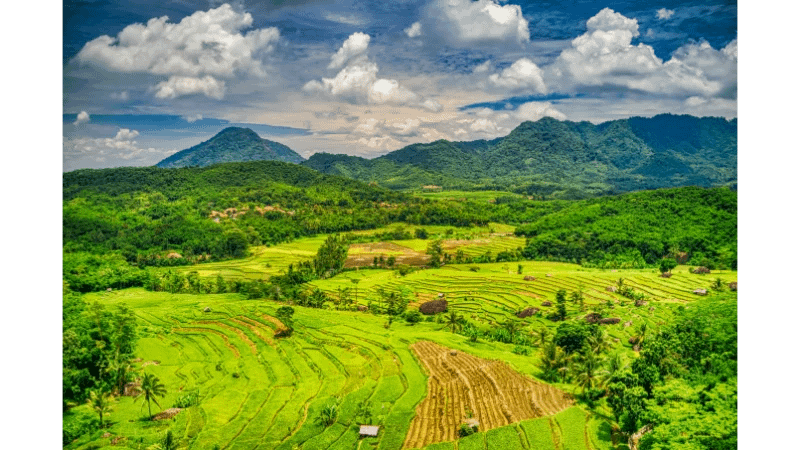
Planning your next adventure without breaking the bank? Asia’s got your back, mate. The continent offers incredible experiences that won’t drain your wallet. Moreover, 2026 promises even more opportunities for savvy travelers. Let’s dive into the cheapest countries to visit in Asia in 2026. You’ll discover hidden gems, mouthwatering street food, and unforgettable memories. From bustling markets to serene temples, these destinations deliver maximum value. Furthermore, the exchange rates work brilliantly in your favor. Pack your bags because adventure is calling. These affordable Asian countries will blow your mind without emptying your pockets. Consequently, you can extend your trip and explore even more. Whether you’re a backpacker or comfort-seeker, there’s something here for everyone. Ready to start planning your epic Asian getaway?
Why Asia Remains the Top Budget Travel Destination
Asia consistently tops the charts for affordable international travel. The cost of living remains remarkably low across many countries. Additionally, competition among airlines has driven down flight prices significantly. You’ll find accommodation options ranging from hostels to boutique hotels at bargain prices. Street food culture means you can eat like royalty for pennies. Public transportation systems are efficient and incredibly cheap throughout the region. Furthermore, tourist attractions often have minimal entrance fees compared to Western countries. The hospitality in Asian countries is genuinely warm and welcoming. Currency exchange rates favor travelers from the US and UK tremendously. Therefore, your dollars and pounds stretch much further here than back home. Many countries offer visa-free entry or simple visa-on-arrival options. This accessibility makes Asia the ultimate playground for budget-conscious adventurers.
Vietnam: The Backpacker’s Paradise
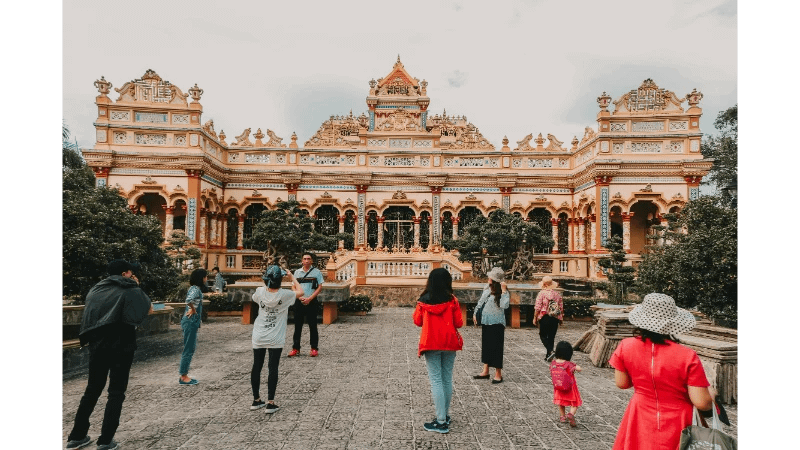
Vietnam absolutely rocks the budget travel scene in Southeast Asia. This country combines stunning natural beauty with incredibly low prices.You’ll find French colonial architecture mixed with traditional pagodas throughout major cities. Moreover, the Vietnamese culture emphasizes community and sharing, creating welcoming vibes everywhere.
Important sites to visit:
Historical sites like the Cu Chi Tunnels offer fascinating glimpses into the past. Hanoi’s Old Quarter buzzes with energy, scooters, and endless street food stalls. Ho Chi Minh City presents a modern metropolis with historical significance and nightlife. Da Nang and Hoi An provide beach relaxation and cultural immersion simultaneously.
Popular Travel Route:
- Hanoi → Ha Long Bay (170 km, 3-4 hours by bus)
- Hanoi → Hue (660 km, 12-14 hours by train or 1 hour flight)
- Hue → Da Nang (100 km, 2-3 hours by bus)
- Da Nang → Hoi An (30 km, 45 minutes by bus)
- Da Nang → Ho Chi Minh City (970 km, 1.5 hours flight)
- Ho Chi Minh City → Mekong Delta (70 km, 2 hours by bus)
Must-Try Vietnamese Cuisine:
- Pho: Traditional rice noodle soup with beef or chicken, aromatic herbs, and flavorful broth. This iconic breakfast dish represents Vietnamese culinary culture at its finest.
- Banh Mi: French-Vietnamese fusion sandwich with pate, pickled vegetables, and fresh cilantro. Crispy baguette filled with savory ingredients makes perfect street food.
- Bun Cha: Grilled pork patties served with vermicelli noodles and dipping sauce. Hanoi’s signature dish became famous after Obama’s visit in 2016.
- Cao Lau: Hoi An specialty with thick noodles, pork, and crispy crackers. The unique water source gives these noodles their distinctive texture.
- Banh Xeo: Crispy rice pancake filled with shrimp, pork, and bean sprouts. Wrap it in lettuce with herbs for authentic Vietnamese experience.
Estimated Daily Budget for 2026: $25-35 per person
Pros:
- Incredible street food scene with dishes costing $1-3
- Stunning landscapes from Ha Long Bay to Mekong Delta
- Rich historical sites including war museums and ancient temples
- Affordable accommodation ranging from $5 hostels to $30 hotels
- Friendly locals who genuinely enjoy helping travelers
Cons:
- Language barriers can be challenging outside tourist areas
- Traffic in cities feels chaotic and overwhelming initially
- Tourist scams exist in heavily visited locations
Pakistan: The Untouched Mountain Paradise
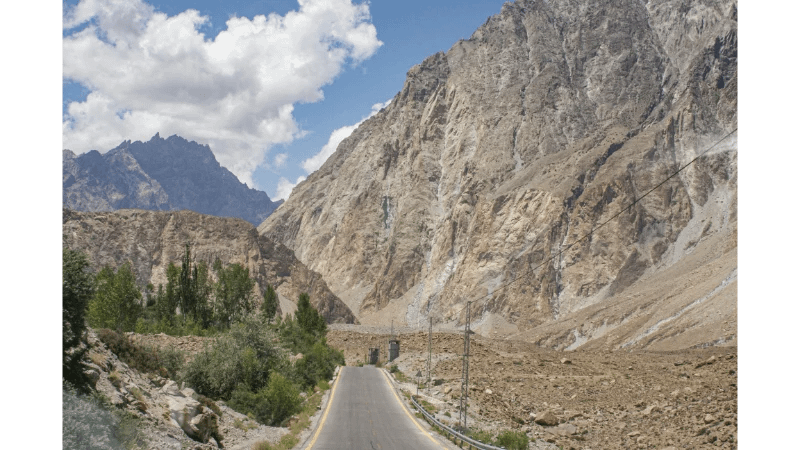
Pakistan represents one of Asia’s best-kept secrets for budget travelers worldwide. The northern areas feature some of the world’s most spectacular mountain scenery. Moreover, Pakistani hospitality is legendary with locals welcoming travelers like family members. The Karakoram Highway ranks among the world’s most scenic road journeys.
Important sites to visit:
Lahore showcases Mughal architecture, vibrant bazaars, and incredible food culture richly. Islamabad offers modern amenities with stunning mountain backdrops and peaceful atmosphere. The Hunza Valley provides breathtaking views of snow-capped peaks and ancient forts. Consequently, adventure seekers find unlimited trekking, climbing, and exploration opportunities here.
Popular Travel Route:
- Islamabad → Naran (279 km, 6-7 hours by car)
- Naran → Chilas (270 km, 7-8 hours via Babusar Pass)
- Chilas → Gilgit (135 km, 3-4 hours on KKH)
- Gilgit → Hunza Valley (100 km, 2.5 hours on KKH)
- Hunza → Skardu (275 km, 8-9 hours by jeep)
- Lahore → Islamabad (380 km, 4-5 hours by motorway)
Must-Try Pakistani Cuisine:
- Nihari: Slow-cooked meat stew with aromatic spices served with naan bread. This hearty breakfast dish originated in Old Delhi but perfected in Pakistan.
- Biryani: Fragrant rice dish layered with spiced meat, saffron, and fried onions. Karachi and Lahore compete for the best biryani in the country.
- Chapli Kebab: Flat minced meat patties with spices, tomatoes, and fresh coriander. Peshawar’s signature dish packs bold flavors and satisfying texture.
- Sajji: Whole marinated chicken or lamb roasted on skewers over open fire. Balochi specialty represents traditional tribal cooking methods beautifully.
- Haleem: Thick porridge-like dish mixing wheat, lentils, and slow-cooked meat. This Ramadan favorite provides comfort food at its absolute finest.
Estimated Daily Budget for 2026: $20-30 per person
Pros:
- Incredibly affordable with meals costing $1-2 typically
- Breathtaking mountain scenery rivaling anywhere on earth
- Exceptionally warm and generous hospitality from locals
- K2 and five of world’s fourteen 8000m peaks located here
- Safe for tourists despite negative media perception generally
Cons:
- Limited tourism infrastructure outside major cities exists
- Restricted areas require permits and registered travel agencies
- Conservative dress codes necessary, especially for women travelers
Cambodia: Ancient Wonders on a Shoestring
Cambodia delivers mind-blowing experiences at unbeatable prices for travelers worldwide. The legendary Angkor Wat complex alone justifies visiting this incredible nation. Furthermore, Cambodian people show remarkable resilience and warmth despite historical hardships.
Important sites to visit:
The capital Phnom Penh mixes bustling markets with sobering historical museums. Siem Reap serves as the gateway to ancient temple complexes. Sihanoukville and nearby islands offer pristine beaches and crystal-clear waters. Battambang showcases rural Cambodian life with rice paddies and bamboo trains. Additionally, the country’s improving infrastructure makes travel easier than ever before.

Popular Travel Route:
- Phnom Penh → Siem Reap (314 km, 6 hours by bus)
- Siem Reap → Angkor Wat (6 km, 15 minutes by tuk-tuk)
- Angkor Wat → Angkor Thom (2 km, 5 minutes)
- Angkor Thom → Ta Prohm (10 km, 20 minutes by tuk-tuk)
- Siem Reap → Battambang (175 km, 3-4 hours by bus)
- Siem Reap → Sihanoukville (460 km, 9-10 hours by bus)
Must-Try Cambodian Cuisine:
- Fish Amok: Creamy fish curry steamed in banana leaves with coconut milk. Cambodia’s national dish features delicate flavors with lemongrass and kaffir lime.
- Beef Lok Lak: Stir-fried beef cubes with vegetables served over lettuce and rice. Simple yet flavorful dish comes with signature lime-pepper dipping sauce.
- Nom Banh Chok: Traditional Khmer noodles with fish-based green curry and fresh vegetables. This breakfast staple is often called “Cambodian spaghetti” by locals.
- Bai Sach Chrouk: Grilled pork with broken rice, pickled vegetables, and clear soup. Street vendors serve this beloved breakfast dish across the country.
- Kuy Teav: Rice noodle soup with pork or seafood broth and fresh herbs. This Chinese-influenced dish became quintessentially Cambodian over generations.
Estimated Daily Budget for 2026: $20-30 per person
Pros:
- Angkor Wat passes remain affordable despite world heritage status
- Accommodation costs as little as $3-5 for basic hostels
- Local beer costs less than $1 at most establishments
- Tuk-tuk transportation is cheap and convenient everywhere
- Visa on arrival makes entry incredibly straightforward
Cons:
- Infrastructure remains underdeveloped in some rural areas
- Limited public transportation options between cities exist
- Hot and humid climate can be exhausting during certain months
Nepal: Himalayan Adventures Without the Hefty Price Tag
Nepal offers world-class trekking and mountain views at ridiculously affordable prices. The majestic Himalayas dominate the landscape, including mighty Mount Everest itself.The diverse culture blends Hindu and Buddhist traditions creating unique spiritual atmosphere.
Important sites to visit:
Kathmandu Valley contains seven UNESCO World Heritage Sites showcasing incredible architecture and history. Pokhara serves as the adventure capital with paragliding, trekking, and lakeside relaxation. Chitwan National Park offers jungle safaris to spot rhinos and Bengal tigers. Furthermore, the Nepali people are renowned for their legendary hospitality worldwide.

Popular Travel Route:
- Kathmandu → Pokhara (200 km, 6-7 hours by bus)
- Pokhara → Annapurna Base Camp (40 km trek, 7-10 days)
- Kathmandu → Nagarkot (32 km, 1.5 hours by car)
- Kathmandu → Chitwan National Park (180 km, 5-6 hours by bus)
- Pokhara → Bandipur (80 km, 2.5 hours by bus)
- Kathmandu → Bhaktapur (15 km, 30 minutes by bus)
Must-Try Nepali Cuisine:
- Dal Bhat: Rice and lentil soup combination with vegetable curry and pickles. Nepal’s staple meal offers unlimited refills at local restaurants traditionally.
- Momos: Steamed or fried dumplings filled with vegetables, chicken, or buffalo meat. These Tibetan-influenced treats became Nepal’s favorite street food nationwide.
- Thukpa: Hearty noodle soup with vegetables or meat in spiced broth. This warming dish provides perfect comfort after cold mountain treks.
- Sel Roti: Sweet rice flour doughnut traditionally prepared during festivals and celebrations. Crispy outside and soft inside with subtle cardamom flavor.
- Newari Khaja Set: Traditional Newari platter with beaten rice, spiced meat, and various accompaniments. This cultural feast represents Kathmandu Valley’s indigenous culinary heritage.
Estimated Daily Budget for 2026: $20-30 per person (excluding trekking permits)
Pros:
- Trekking permits remain affordable compared to other mountain destinations
- Accommodation and food incredibly cheap in non-tourist areas
- Breathtaking mountain scenery available everywhere you look
- Rich spiritual and cultural heritage throughout the country
- Warm and welcoming locals make travelers feel at home
Cons:
- Infrastructure challenges especially during monsoon season affect travel
- Frequent power cuts occur in some areas still
- Altitude sickness risks on high-altitude treks require preparation
Thailand: The Gateway to Affordable Asia
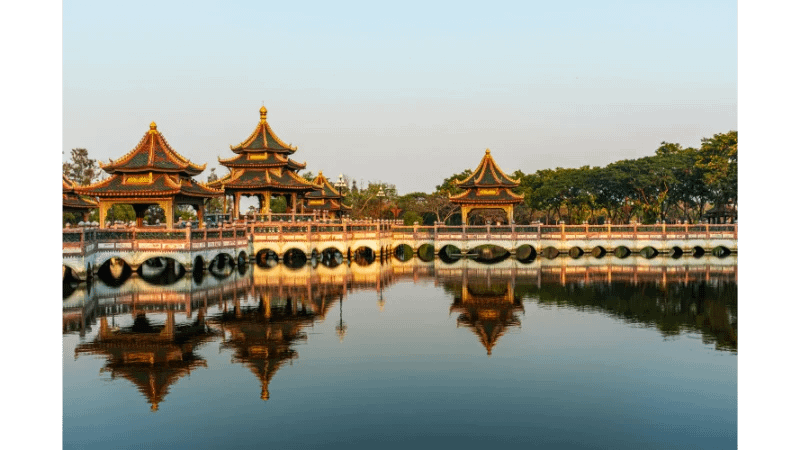
Thailand remains one of the cheapest countries to visit in Asia in 2026 despite increasing popularity. Bangkok combines ancient temples with modern shopping malls and rooftop bars seamlessly. Additionally, Thailand’s tourism infrastructure makes travel incredibly smooth and convenient. The kingdom balances tradition and modernity better than most Asian countries remarkably.
Important sites to visit:
Northern Thailand features Chiang Mai’s cultural richness and mountainous tribal villages. The southern islands like Phuket, Krabi, and Koh Samui offer tropical paradise. The Grand Palace in Bangkok showcases incredible Thai architectural brilliance historically.
Popular Travel Route:
- Bangkok → Ayutthaya (80 km, 1.5 hours by train)
- Bangkok → Chiang Mai (700 km, 11 hours by train or 1.5 hours flight)
- Chiang Mai → Pai (135 km, 3 hours by bus)
- Chiang Mai → Chiang Rai (180 km, 3-4 hours by bus)
- Bangkok → Phuket (840 km, 1.5 hours flight)
- Phuket → Krabi (165 km, 3 hours by bus or ferry)
Must-Try Thai Cuisine:
- Pad Thai: Stir-fried rice noodles with shrimp, tofu, peanuts, and tamarind sauce. Thailand’s most famous export represents perfect balance of sweet, sour, and savory.
- Tom Yum Goong: Spicy and sour soup with prawns, lemongrass, and galangal. This iconic soup delivers explosive flavors that define Thai cuisine.
- Green Curry: Coconut-based curry with Thai basil, bamboo shoots, and chicken. The vibrant color comes from fresh green chilies and aromatic herbs.
- Mango Sticky Rice: Sweet glutinous rice with ripe mango and coconut cream topping. This beloved dessert perfectly balances textures and natural sweetness beautifully.
- Som Tam: Spicy green papaya salad with tomatoes, peanuts, and lime dressing. Isaan region’s signature dish packs serious heat and addictive flavors.
Estimated Daily Budget for 2026: $30-45 per person
Pros:
- Excellent tourism infrastructure with English widely spoken
- Amazing variety of accommodation from hostels to luxury resorts
- World-class beaches and islands throughout the country
- Incredible food scene from street stalls to fine dining
- Easy visa policies for most Western passport holders
Cons:
- Popular destinations can feel overcrowded during peak season
- Prices rising steadily in tourist hotspots annually
- Some areas overly commercialized losing authentic charm
Indonesia: Island-Hopping on a Budget
Indonesia comprises thousands of islands offering endless exploration possibilities affordably.The cultural diversity stems from hundreds of ethnic groups throughout the archipelago.
Important sites to visit:
Bali attracts millions but remains surprisingly budget-friendly outside resort areas. Java features ancient temples like Borobudur and vibrant cities like Yogyakarta. Lombok and the Gili Islands provide paradise beaches without Bali’s crowds. Jakarta, the capital, showcases modern Indonesia with skyscrapers and shopping malls. Additionally, traditional villages in Sulawesi and Sumatra preserve ancient customs beautifully.

Popular Travel Route:
- Jakarta → Yogyakarta (440 km, 1 hour flight or 7-8 hours by train)
- Yogyakarta → Borobudur Temple (42 km, 1.5 hours by car)
- Yogyakarta → Prambanan Temple (17 km, 30 minutes by car)
- Bali (Denpasar) → Ubud (35 km, 1 hour by car)
- Ubud → Kintamani Volcano (50 km, 1.5 hours by car)
- Bali → Gili Islands (110 km, 2.5 hours by fast boat)
Must-Try Indonesian Cuisine:
- Nasi Goreng: Indonesian fried rice with kecap manis, vegetables, and fried egg. This beloved dish appears on every menu from street carts to fancy restaurants.
- Rendang: Slow-cooked beef in coconut milk and spice paste until tender. West Sumatra’s signature curry ranks among world’s most delicious foods consistently.
- Satay: Grilled meat skewers with peanut sauce and rice cakes. This popular street food comes in countless regional variations across islands.
- Gado-Gado: Mixed vegetables with boiled eggs and tofu in peanut sauce. This satisfying vegetarian dish provides nutritious and flavorful meal option.
- Soto Ayam: Aromatic chicken soup with turmeric, lemongrass, and rice vermicelli. Each region adds unique ingredients creating hundreds of variations nationwide.
Estimated Daily Budget for 2026: $25-40 per person
Pros:
- Incredible diversity of experiences from beaches to volcanoes
- Delicious and varied street food across different regions
- Affordable domestic flights connect major islands efficiently
- Rich cultural traditions including dance, music, and crafts
- Friendly locals eager to share their culture
Cons:
- Tourist prices in Bali significantly higher than elsewhere
- Language barriers exist outside main tourist areas
- Traffic congestion in major cities can be frustrating
India: Endless Diversity at Unbeatable Prices
India delivers the most bang for your buck across Asia consistently. The sheer diversity spans from Himalayan peaks to tropical Kerala backwaters. Moreover, India’s train network enables affordable long-distance travel between cities.
Important sites to visit:
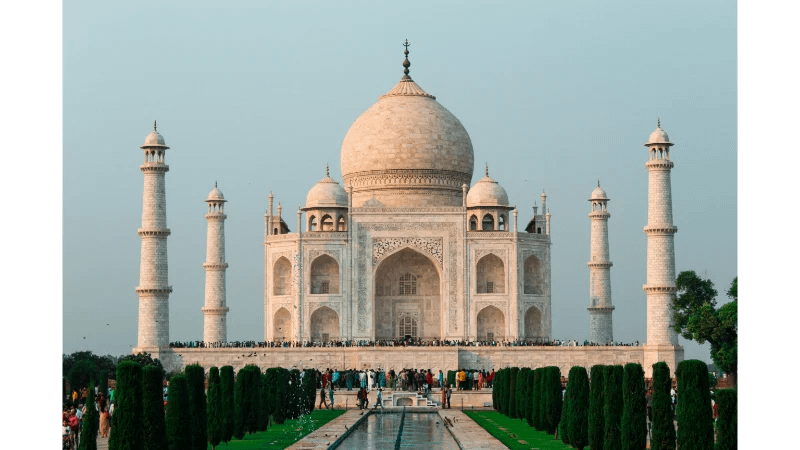
Delhi, Mumbai, and Kolkata showcase India’s metropolitan energy and historical complexity. Rajasthan features magnificent forts, palaces, and desert landscapes throughout the state. The Taj Mahal in Agra ranks among the world’s most iconic monuments. Varanasi offers profound spiritual experiences along the sacred Ganges River. Goa provides beach relaxation with Portuguese colonial heritage and vibrant nightlife.
Popular Travel Route (Golden Triangle + Extension):
- Delhi → Agra (230 km, 3-4 hours by train)
- Agra → Fatehpur Sikri (40 km, 1 hour by car)
- Agra → Jaipur (240 km, 4-5 hours by train)
- Jaipur → Pushkar (150 km, 3 hours by bus)
- Delhi → Varanasi (800 km, 1.5 hours flight or 12 hours train)
- Delhi → Rishikesh (240 km, 5-6 hours by bus)
Must-Try Indian Cuisine:
- Butter Chicken: Tender chicken in creamy tomato-based sauce with aromatic spices. Delhi’s most famous export became globally recognized Indian comfort food.
- Biryani: Fragrant basmati rice layered with marinated meat and saffron strands. Hyderabad and Lucknow versions compete for India’s best biryani title.
- Masala Dosa: Crispy rice crepe filled with spiced potato mixture and chutneys. South India’s breakfast champion satisfies vegetarians and meat-eaters equally well.
- Cholay Bhaturay: Spicy chickpea curry served with deep-fried puffy bread. This North Indian favorite provides hearty and filling street food experience.
- Tandoori Chicken: Yogurt-marinated chicken cooked in traditional clay oven until charred. This smoky dish represents India’s ancient cooking techniques perfectly.
Estimated Daily Budget for 2026: $20-35 per person
Pros:
- Extremely cheap accommodation and food everywhere you go
- Incredible historical monuments and UNESCO sites abundant throughout
- Rich cultural experiences from festivals to traditional ceremonies
- Well-connected transport system including extensive train network
- English widely spoken making communication relatively easy
Cons:
- Culture shock can be intense for first-time visitors
- Hygiene standards vary greatly requiring careful food choices
- Crowds and chaos in cities overwhelming initially
- Aggressive touts and scams target tourists frequently
Essential Money-Saving Tips
Smart Budgeting Strategies: Travel during shoulder seasons when prices drop dramatically compared to peak months. Use local transportation like buses and trains instead of tourist taxis everywhere. Eat where locals eat because street food offers authenticity and savings simultaneously. Furthermore, negotiate prices politely at markets and with tuk-tuk drivers respectfully. Stay in hostels or guesthouses rather than international hotel chains typically. Book accommodation without advance reservations for better walk-in deals occasionally. Carry reusable water bottles and purification tablets saving money on bottled water. Download offline maps and translation apps reducing roaming charges and confusion abroad.
Banking and Currency: Research current exchange rates before departure using reliable online resources regularly. Notify your bank about travel plans to prevent card freezing overseas. Withdraw larger cash amounts less frequently to minimize ATM fees overall. Use ATMs affiliated with major banks for better rates and security. Carry mix of cash and cards for flexibility in different situations. However, watch for foreign transaction fees and withdrawal charges carefully. Keep emergency cash reserves hidden separately from main wallet always.
Cultural Respect and Responsible Travel
Dress modestly when visiting temples, mosques, or conservative rural areas appropriately. Remove shoes before entering homes, temples, and some shops as customary. Learn basic phrases in local language showing respect and effort genuinely. Furthermore, asking permission before photographing people shows respect for their dignity. Support local businesses rather than international chains whenever possible realistically. Choose accommodations and tour operators committed to sustainable tourism practices actively. Carry reusable items reducing plastic waste throughout your journey significantly. Respect wildlife by avoiding attractions exploiting animals for entertainment purposes.
Health and Safety Essentials
Visit your doctor for necessary vaccinations several months before departure ideally. Carry comprehensive travel insurance covering medical emergencies and evacuations always. Drink bottled or purified water exclusively to avoid waterborne illnesses typically. Furthermore, street food safety depends on observing cleanliness and choosing busy stalls. Protect against mosquito-borne diseases using repellent and appropriate clothing consistently. Keep photocopies of important documents separate from originals for security purposes. Register with your embassy when arriving in countries with security concerns.
Frequently Asked Questions
Q1: How much money do I need for a month-long trip to the cheapest countries to visit in Asia in 2026?
Budget travelers can comfortably manage on $600-1,200 monthly in countries like Cambodia or Nepal. This covers basic accommodation, local food, and transportation using budget options. Mid-range travelers should budget $1,200-2,000 for more comfort and occasional splurges. Furthermore, your spending depends heavily on travel style and specific activities chosen. Countries like Thailand and Indonesia cost slightly more than Vietnam or Pakistan. Consequently, mixing cheaper and pricier destinations balances your overall budget effectively.
Q2: Do I need travel insurance for budget travel in Asia?
Absolutely yes—travel insurance is essential regardless of your budget level always. Medical emergencies abroad can cost thousands without proper insurance coverage unfortunately. Therefore, comprehensive insurance provides peace of mind and financial protection simultaneously. Look for policies covering medical evacuation, which can be extremely expensive. Budget travelers actually need insurance more because they have fewer financial reserves. Consequently, a $50-100 insurance policy protects against potentially devastating financial losses.
Q3: Can I use credit cards everywhere in cheap Asian countries?
Credit cards work in cities and tourist areas but rural locations remain predominantly cash-based. Consequently, always carry sufficient local currency for areas with limited card acceptance. ATMs are widely available in urban areas throughout most Asian countries. However, smaller towns and villages may have limited or no ATM access. Furthermore, inform your bank about travel plans preventing card freezing overseas. Carry backup cards and emergency cash hidden separately for security purposes.
Q4: Is it safe to travel alone in budget Asian destinations?
Most budget Asian destinations are generally safe for solo travelers including women. However, exercise common sense precautions like avoiding isolated areas at night. Consequently, stay in well-reviewed accommodations and trust your instincts always. Join group tours or activities to meet fellow travelers and enhance safety. Furthermore, keep emergency contacts and embassy information readily accessible always. Each country has specific safety considerations so research destinations thoroughly beforehand.
Q5: What’s the best way to find cheap flights to Asia?
Use flight comparison websites like Skyscanner and Google Flights for comprehensive searches. Set price alerts for your desired routes to catch deals immediately. Consequently, flexibility with dates and nearby airports yields significantly better prices. Book flights 2-3 months in advance for optimal pricing typically. Consider budget airlines within Asia for extremely cheap regional connections. Furthermore, sometimes booking two separate tickets costs less than direct flights surprisingly.
Q6: Can I work remotely while traveling cheaply through Asia?
Many budget travelers successfully work remotely throughout Asia nowadays with reliable internet. Countries like Thailand, Vietnam, and Indonesia offer digital nomad visas increasingly. Consequently, you can legally extend your stay while earning income remotely. Coworking spaces exist in major cities providing professional work environments affordably. However, verify visa requirements because tourist visas prohibit paid work technically. Furthermore, time zone differences may challenge collaboration with Western teams significantly.
Final Thoughts: Start Planning Your Asian Adventure
The cheapest countries to visit in Asia in 2026 offer incredible value and unforgettable experiences. Therefore, there’s no better time to start planning your dream adventure. Asia combines affordability with cultural richness, natural beauty, and warm hospitality consistently. From Vietnam’s bustling streets to Pakistan’s mountain majesty, opportunities abound everywhere. Consequently, your travel budget stretches further here than anywhere else globally. Research thoroughly, plan strategically, and embrace flexibility for the best experiences. Furthermore, connecting with local communities enriches your journey beyond typical tourist activities. Pack light, keep an open mind, and prepare for life-changing adventures. The memories you create will far outweigh the minimal money spent. So what are you waiting for, mate? Start booking that flight now!
