
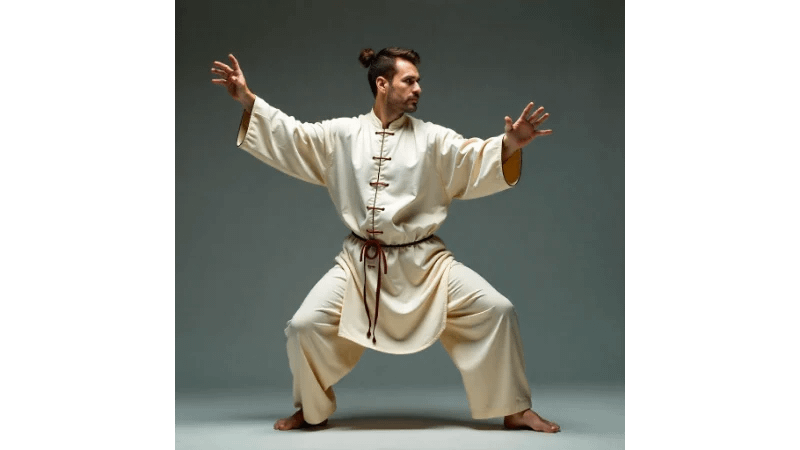
Tai Qi vs Indian Yoga
Introduction
Ancient practices offer pathways to wellness that modern science now validates. Two traditions stand out prominently in this landscape. Chinese Tai Qi and Indian Yoga have captivated millions worldwide. Both systems promote physical health and mental clarity. However, their approaches differ significantly. Understanding these differences helps practitioners choose the right path. Moreover, exploring both traditions reveals universal truths about human potential. This comprehensive guide examines these time-honored practices in depth.
Understanding Tai Qi: The Martial Art of Softness
Origins and Philosophy
Tai chi emerged from ancient Chinese martial traditions. The practice dates back several centuries. Consequently, it carries deep philosophical roots. Taoist principles heavily influence its foundation. The concept of yin and yang pervades every movement. Practitioners seek balance between opposing forces. Furthermore, Tai Qi emphasizes the flow of qi energy. This vital force circulates throughout the body. Ancient masters developed forms to cultivate this energy. Each posture connects to broader cosmological principles. Therefore, Tai Qi represents more than mere physical exercise.
Physical Characteristics
Slow, flowing movements define Tai Qi practice. Practitioners shift weight gradually between stances. Balance becomes paramount in execution. Additionally, circular motions characterize most techniques. The spine maintains alignment throughout sequences. Knee health receives special attention. Moreover, practitioners keep movements low and grounded. This approach builds leg strength naturally. Transitions flow seamlessly from one posture to another. The entire body moves as one integrated unit. Consequently, coordination improves dramatically over time.
Mental and Spiritual Aspects
Meditation occurs through movement in Tai Qi. Practitioners maintain present-moment awareness. The mind follows the body’s gentle flow. Furthermore, stress dissolves during practice sessions. Mental chatter quiets as focus deepens. This moving meditation cultivates inner peace. Additionally, practitioners develop profound body awareness. They sense subtle energy shifts internally. The practice fosters emotional regulation naturally. Ancient wisdom merges with physical training. Therefore, Tai Qi addresses the whole person holistically.
Exploring Indian Yoga: The Science of Union
Historical Background
Yoga originated in ancient India thousands of years ago. Sacred texts called the Vedas mention early practices. The Yoga Sutras of Patanjali systematized the philosophy. This classical text outlines eight limbs of practice. Consequently, yoga encompasses far more than postures. It represents a complete life philosophy. Furthermore, various schools emerged over millennia. Each tradition emphasizes different aspects. However, all paths aim toward self-realization. The ultimate goal involves union with higher consciousness. Therefore, yoga addresses existential questions profoundly.
Physical Practice Elements
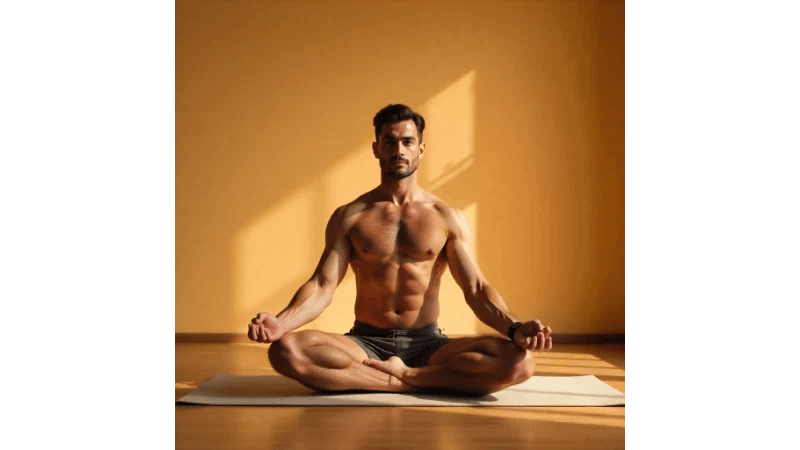
Yoga includes diverse physical postures called asanas. These positions range from gentle to challenging. Practitioners hold poses for varying durations. Additionally, flexibility increases through consistent practice. Strength develops naturally in supporting muscles. Balance poses cultivate stability and focus. Moreover, inversions reverse gravitational effects on the body. The spine receives attention in many postures. Twisting movements massage internal organs. Forward bends promote introspection and calm. Backbends open the heart center energetically. Consequently, each category serves specific purposes.
Breath and Energy Work
Pranayama forms a crucial yoga component. These breathing techniques regulate life force energy. Practitioners learn numerous breath control methods. Furthermore, breath connects body and mind intimately. Specific patterns produce different effects. Some techniques energize the nervous system. Others promote deep relaxation and rest. Additionally, breath awareness enhances meditation practice. The subtle body contains energy channels called nadis. Breath practices purify these pathways systematically. Consequently, vitality and clarity increase substantially.
Tai Qi vs Indian Yoga: Key Differences
Movement Styles and Tempo
Tai Qi emphasizes continuous flowing movement. Practitioners rarely hold static positions. The pace remains slow and deliberate throughout. Conversely, yoga includes both movement and stillness. Many poses require sustained holding. The tempo varies across different yoga styles. Additionally, Tai Qi movements follow circular patterns. Yoga postures often use linear alignments. These fundamental differences affect practice experiences significantly. Moreover, Tai Qi appears more dance-like externally. Yoga looks more athletic in many forms. Therefore, aesthetic preferences influence practitioner choices.
Philosophical Foundations
Taoist philosophy underpins Tai Qi completely. Concepts like wu wei guide practice principles. Effortless action becomes the ultimate goal. Meanwhile, yoga stems from Hindu and Buddhist traditions. The eight-limbed path provides comprehensive guidance. Ethical principles precede physical practice. Furthermore, Tai Qi focuses on harmony with nature. Yoga emphasizes transcendence of worldly attachments. Both systems value balance and integration. However, their metaphysical frameworks differ considerably. Consequently, practitioners connect with different worldviews.
Training Approaches
Tai Qi traditionally involves one-on-one transmission. Masters pass knowledge directly to students. Forms are learned through repetition and correction. In contrast, yoga often occurs in group classes. Teachers guide multiple students simultaneously. Alignment cues help practitioners self-correct. Additionally, Tai Qi includes push-hands partner work. This practice tests principles through gentle contact. Yoga rarely incorporates partner exercises. However, assists from teachers provide external feedback. Therefore, social learning dynamics vary between practices.
Health Benefits: A Comparative Analysis
Cardiovascular and Metabolic Effects
Tai Qi provides moderate cardiovascular exercise. Heart rate increases gently during practice. Blood pressure often decreases with regular training. Similarly, yoga offers cardiovascular benefits. However, intensity varies by style chosen. Dynamic forms like Vinyasa raise heart rates more. Additionally, both practices improve metabolic function. Blood sugar regulation becomes more stable. Cholesterol profiles often improve over time. Furthermore, weight management becomes easier for many. Both systems support healthy aging naturally. Therefore, cardiovascular health improves through either practice.
Musculoskeletal Improvements
Tai Qi strengthens legs through sustained stances. Hip flexibility increases from weight shifting. Joint health improves through gentle movement. Likewise, yoga builds overall body strength. Flexibility gains often occur more rapidly. Range of motion expands in multiple directions. Additionally, both practices improve posture significantly. Spinal alignment becomes more natural. Core stability develops through mindful engagement. Furthermore, bone density may increase with practice. Both systems prevent age-related decline effectively. Consequently, physical function remains higher longer.
Mental Health and Cognitive Function
Tai Qi reduces anxiety and depression symptoms. The meditative quality calms the nervous system. Cognitive function improves in elderly practitioners. Similarly, yoga alleviates mental health challenges. Stress hormones decrease with regular practice. Emotional regulation becomes easier over time. Additionally, both practices enhance neuroplasticity. Brain structure changes appear in imaging studies. Memory and attention improve measurably. Furthermore, both traditions prevent cognitive decline. Mental clarity persists despite aging. Therefore, brain health benefits substantially from practice.
Choosing Between Tai Qi and Yoga
Personal Goals and Preferences
Individual objectives should guide practice selection. Those seeking martial applications prefer Tai Qi. The self-defense aspect attracts many practitioners. Conversely, yoga appeals to spiritually oriented seekers. The philosophical depth resonates with many people. Additionally, physical limitations influence appropriate choices. Tai Qi suits those with balance concerns. The low-impact nature protects vulnerable joints. Yoga offers more variety in intensity. Practitioners can select appropriate difficulty levels. Therefore, honest self-assessment proves essential.
Practical Considerations
Class availability affects accessibility significantly. Yoga studios exist in most communities. Qualified Tai Qi instructors remain harder to find. Furthermore, costs vary between these practices. Yoga classes typically charge standard rates. Tai Qi instruction may cost more individually. Additionally, home practice differs between systems. Yoga resources abound online and in books. Tai Qi requires more direct instruction initially. Space requirements also vary somewhat. Yoga needs minimal floor space. Tai Qi benefits from more room for movement. Consequently, practical factors influence feasibility.
Combining Both Practices
Many practitioners successfully integrate both systems. The practices complement each other beautifully. Tai Qi develops flowing coordination and balance. Yoga builds flexibility and strength. Additionally, cross-training prevents boredom and plateaus. Each practice deepens the other. The philosophical perspectives enrich understanding mutually. Furthermore, scheduling both remains quite manageable. Practitioners might alternate days between systems. Others practice one primarily and explore the other occasionally. Therefore, integration offers the best of both worlds.
Getting Started: Practical Guidance
Finding Quality Instruction
Research potential teachers thoroughly before committing. Lineage and credentials matter significantly. Experienced instructors provide safer, more effective guidance. Additionally, trial classes help assess compatibility. Teaching style should resonate personally. The learning environment should feel supportive. Furthermore, recommendations from current students prove valuable. Online reviews provide additional perspective. However, personal experience matters most ultimately. Therefore, invest time in finding appropriate instruction.
Building a Sustainable Practice
Start slowly to prevent injury and burnout. Consistency matters more than intensity initially. Short daily sessions surpass sporadic long practices. Additionally, set realistic expectations from the beginning. Progress occurs gradually in both systems. Patience becomes essential for long-term success. Furthermore, track improvements to maintain motivation. Journal about physical and mental changes. Celebrate small victories along the journey. Moreover, connect with fellow practitioners for support. Community enhances commitment and enjoyment. Therefore, approach practice as a lifelong journey.
Deepening Your Understanding
Study the philosophical foundations of your chosen practice. Reading classical texts enriches practical experience. Understanding theory deepens physical training. Additionally, attend workshops and seminars periodically. Intensive training accelerates learning significantly. Exposure to different teachers broadens perspectives. Furthermore, consider visiting traditional practice locations. China offers authentic Tai Qi experiences. India provides profound yoga immersion opportunities. Cross-cultural learning transforms practice fundamentally. Moreover, maintain beginner’s mind regardless of experience. Curiosity fuels continued growth and discovery. Therefore, remain open to ongoing learning.
The Future of Ancient Practices
Modern Scientific Validation
Research increasingly validates traditional wisdom. Studies document measurable health benefits. Brain imaging reveals neurological changes. Additionally, randomized trials demonstrate effectiveness. Medical professionals now recommend these practices. Integration into healthcare systems continues expanding. Furthermore, mechanisms of action become clearer. Scientists understand how practices produce effects. This validation increases mainstream acceptance. Moreover, insurance coverage sometimes includes these practices now. The medical establishment recognizes their value. Therefore, ancient wisdom meets modern evidence successfully.
Global Spread and Adaptation
Both practices have spread worldwide dramatically. Cultural barriers continue dissolving steadily. Western practitioners modify traditions somewhat. Additionally, hybrid forms emerge combining elements. This evolution creates both opportunities and concerns. Authenticity sometimes suffers through dilution. However, accessibility increases through adaptation. Furthermore, technology enables global learning. Online platforms connect teachers and students internationally. Virtual classes make instruction universally available. Moreover, apps support individual home practice. Digital tools complement traditional methods. Therefore, globalization transforms practice landscapes.
Conclusion
Tai Qi vs Indian Yoga represents a meaningful comparison for seekers. Both traditions offer profound benefits physically and mentally. However, their approaches differ in significant ways. Consequently, individual preferences determine the best choice. Some practitioners embrace both systems simultaneously. This integration provides comprehensive development. Moreover, either path leads toward greater wellness. The journey matters more than the destination ultimately. Therefore, begin exploring these ancient practices today. Your body and mind will thank you immensely.
Frequently Asked Questions
1. Can beginners start Tai Qi or yoga without prior experience?
Absolutely, both practices welcome complete beginners warmly. Qualified instructors design classes for all levels. You do not need flexibility or strength initially. Moreover, modifications make practices accessible to everyone. Start with beginner-focused classes for best results. Progress naturally occurs through consistent practice over time.
2. Which practice burns more calories during sessions?
Yoga generally burns more calories than Tai Qi. Dynamic yoga styles like Vinyasa increase heart rates significantly. However, Tai Qi provides excellent low-impact exercise. The calorie difference varies by specific practice style. Additionally, both practices boost metabolism long-term. Therefore, either supports healthy weight management effectively.
3. How long before noticing benefits from regular practice?
Most people notice improvements within four to eight weeks. Flexibility and stress reduction appear relatively quickly. Strength gains develop more gradually over months. Additionally, mental benefits often emerge first. Sleep quality and mood improve within weeks. However, profound transformation requires years of dedication.
4. Can these practices help with chronic pain conditions?
Yes, both traditions help manage chronic pain effectively. Arthritis patients particularly benefit from gentle movement. Back pain often decreases with regular practice. Additionally, fibromyalgia symptoms may improve significantly. However, consult healthcare providers before starting. Medical supervision ensures safe practice with conditions.
5. Do I need special equipment or clothing?
Minimal equipment is required for either practice. Comfortable, loose-fitting clothing works best. Yoga practitioners typically use mats for cushioning. Tai Qi requires only flat, non-slip footwear or bare feet. Additionally, props like blocks help yoga beginners. However, expensive gear remains completely unnecessary.
6. Which practice is better for elderly individuals?
Tai Qi is often recommended for elderly practitioners. The low-impact nature protects aging joints. Balance improvements reduce fall risk significantly. However, gentle yoga styles also suit seniors. Chair yoga provides excellent seated modifications. Additionally, both practices prevent age-related decline. Therefore, either choice benefits elderly populations substantially.

