
Introduction
Noonan Syndrome affects approximately one in every 1,000 to 2,500 births worldwide. This genetic condition impacts multiple body systems throughout a person’s life. However, it doesn’t define a person’s potential or limit their dreams. Many individuals with this condition have achieved remarkable success in various fields. Some have become household names in entertainment, sports, and public service. Their stories inspire millions around the globe every single day. Understanding their journeys helps break down misconceptions about genetic conditions. Moreover, it shows how determination transcends physical challenges and limitations.
What Is Noonan Syndrome?
Understanding the Genetic Condition
Noonan Syndrome is a genetic disorder that affects development in various body parts. It occurs due to mutations in specific genes controlling cell division. Furthermore, the condition manifests differently in each individual who has it. Common features include distinctive facial characteristics and short stature in many cases. Heart defects appear in approximately 50 to 80 percent of affected individuals. Additionally, bleeding problems and skeletal malformations occur in some patients regularly. The syndrome was first described by pediatric cardiologist Jacqueline Noonan in 1963. Since then, medical understanding has advanced significantly through continued research efforts.
Common Physical Characteristics
People with this condition often share certain recognizable physical traits consistently. Wide-set eyes and low-set ears are frequently observed in affected individuals. A short neck with excess skin is another characteristic feature. Chest deformities, such as a sunken or protruding breastbone, commonly appear. However, these features vary widely in severity from person to person. Some individuals display minimal signs, while others show more prominent features. Consequently, diagnosis can sometimes be challenging without proper genetic testing available. Early identification helps medical professionals provide appropriate care and support systems.
Celebrities with Noonan Syndrome Who Inspire Us
Lauren Potter: Breaking Barriers in Hollywood
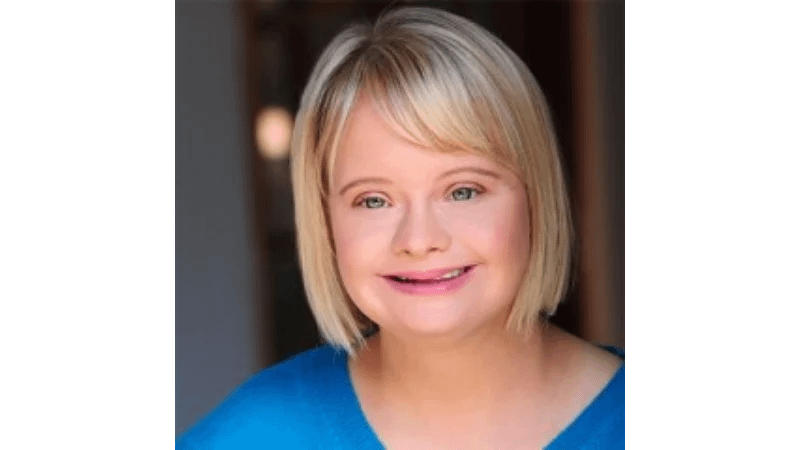
Lauren Potter gained fame through her role on the hit show Glee. She portrayed Becky Jackson, a cheerleader with Down syndrome, brilliantly throughout seasons. Interestingly, Potter herself was born with celebrities with Noonan Syndrome characteristics. She has been vocal about her experiences with the condition publicly. Potter advocates for people with disabilities through various charitable organizations nationwide. Her work extends beyond acting into important disability rights activism today. She serves on the President’s Committee for People with Intellectual Disabilities. Additionally, Potter travels extensively to speak at schools and conferences regularly. Her message focuses on inclusion, acceptance, and celebrating differences in everyone. Potter’s presence on mainstream television created significant cultural impact immediately. Young viewers with genetic conditions saw themselves represented on screen finally.
Shaun White: Conquering Mountains and Stereotypes
Olympic snowboarder Shaun White is one of the most decorated athletes in winter sports history. He was born with a congenital heart defect associated with Noonan Syndrome. White underwent two open-heart surgeries before his first birthday to correct the condition. Despite these early medical challenges, he pursued his passion for snowboarding relentlessly. He won three Olympic gold medals and numerous X Games championships throughout his career. White’s determination proved that physical challenges don’t limit athletic achievement potential. Furthermore, he became a cultural icon and successful entrepreneur beyond sports. His story demonstrates how early medical intervention enables extraordinary accomplishments later. White rarely discusses his medical history but inspires through his achievements.

Jmol Ennz: Rising Star in Music and Advocacy
Recording artist Jmol Ennz has emerged as a powerful voice in the music industry recently. She openly discusses living with celebrities with Noonan Syndrome to raise awareness. Her music blends personal experiences with universal themes of overcoming adversity. Ennz uses her platform to advocate for genetic condition awareness and acceptance. She performs at benefit concerts supporting medical research and family support organizations. Additionally, she mentors young people facing similar health challenges through various programs. Her authenticity resonates with fans who appreciate her vulnerability and strength. Ennz proves that artistic talent flourishes regardless of genetic conditions present.
Scotty McCreery: Country Music Success Story
American Idol winner Scotty McCreery achieved stardom through his distinctive voice and charm. Reports suggest McCreery has connections to Noonan Syndrome through family experiences. While he maintains privacy about personal medical matters, his success inspires many. McCreery’s country music career includes platinum albums and numerous awards nationally. He demonstrates that persistence and talent overcome any obstacle in the path. Furthermore, his down-to-earth personality makes him relatable to fans everywhere. McCreery supports various charitable causes including children’s hospitals and medical research. His career trajectory shows how determination leads to extraordinary professional achievement.
Living Successfully with the Condition
Medical Management and Support
Managing Noonan Syndrome requires coordinated care from multiple medical specialists consistently. Cardiologists monitor heart function through regular examinations and diagnostic tests carefully. Endocrinologists address growth issues and hormonal imbalances that may occur. Physical therapists help with motor development and muscle tone concerns. Speech therapists assist when feeding difficulties or communication delays appear early. Consequently, families must navigate complex healthcare systems throughout their lives. However, early intervention programs significantly improve long-term outcomes for affected children. Many adults with the condition lead independent, fulfilling lives successfully.
Educational and Professional Achievement
Educational accommodations help students with Noonan Syndrome reach their full potential. Individualized education plans address specific learning needs and physical limitations effectively. Many individuals with the condition excel in various academic subjects notably. They pursue higher education and professional careers in diverse fields regularly. Therefore, the condition doesn’t prevent intellectual achievement or career success necessarily. Support systems and reasonable accommodations make significant differences in outcomes. Employers are increasingly recognizing the value of neurodivergent and disabled employees.
The Science Behind the Syndrome
Genetic Mutations and Inheritance Patterns
Mutations in specific genes cause Noonan Syndrome to develop in affected individuals. The PTPN11 gene accounts for approximately 50 percent of cases identified. Other genes, including SOS1, RAF1, and RIT1, are involved less frequently. These genes regulate the RAS-MAPK cellular signaling pathway in human bodies. This pathway controls cell division, differentiation, and growth throughout life consistently. Furthermore, most cases result from new mutations rather than inherited ones. However, the condition follows an autosomal dominant inheritance pattern when inherited. Therefore, affected individuals have a 50 percent chance of passing it on.
Advances in Genetic Testing
Modern genetic testing has revolutionized diagnosis and understanding of the condition. Blood tests can identify specific mutations in most cases quite accurately. Prenatal testing is available for families with known genetic risks. Early diagnosis allows prompt medical intervention and better long-term outcomes overall. Additionally, genetic counseling helps families understand inheritance risks and options available. Research continues to identify new genes associated with the syndrome regularly. This knowledge improves treatment approaches and personalized medicine strategies significantly.
Challenges Faced by Affected Individuals
Medical Complications
Heart defects represent the most serious health concern for many patients. Pulmonary valve stenosis is the most common cardiac problem observed clinically. Some individuals require surgical interventions to correct structural heart abnormalities. Bleeding disorders can complicate surgeries and dental procedures without proper precautions. Growth hormone deficiency affects height in approximately 50 percent of cases. Consequently, growth hormone therapy may be recommended for some children. Developmental delays occur in some individuals but vary widely in severity. Speech and language difficulties require early therapeutic interventions for best results.
Social and Emotional Aspects
Living with a visible genetic condition presents unique social challenges daily. Children may face bullying or exclusion from peers at school unfortunately. Building self-esteem requires strong family support and positive role models. Therapy and support groups provide valuable coping strategies and community connections. Furthermore, transitioning to adulthood brings additional challenges regarding independence and relationships. Dating and forming romantic relationships may feel complicated for some individuals. However, many people with the condition form meaningful relationships and families. Counseling services address anxiety, depression, and other mental health concerns effectively.
More Notable Individuals Making a Difference
Emma Kenney: Television Star and Youth Advocate
Actress Emma Kenney gained recognition through her roles on Shameless and The Conners. While not publicly confirmed, some reports suggest connections to celebrities with Noonan Syndrome. Kenney has been open about her struggles with anxiety and personal challenges. She advocates for mental health awareness among young people in entertainment. Her performances demonstrate remarkable range and emotional depth on screen consistently. Kenney’s career continues to flourish as she takes on diverse roles. She represents a generation of actors prioritizing authenticity over perfection publicly. Her willingness to discuss personal struggles inspires young fans facing difficulties.
Athletes Overcoming Physical Challenges
Some athletes with genetic conditions have achieved remarkable competitive success stories. They demonstrate that physical challenges don’t eliminate athletic potential or dreams. Training modifications and medical monitoring allow safe participation in sports. Adaptive sports programs provide opportunities for individuals with various physical limitations. Consequently, many young people find confidence and community through athletic participation. Sports teach valuable lessons about perseverance, teamwork, and overcoming obstacles daily. These lessons extend far beyond the playing field into life. Furthermore, athletic achievement challenges societal assumptions about disability and capability.
Advocacy and Awareness Efforts
Organizations Supporting Families
Several organizations provide resources and support for families affected by conditions. The Noonan Syndrome Foundation offers information, networking opportunities, and research funding. They host annual conferences where families connect and share experiences together. Additionally, online communities provide daily support and answer questions from families. These networks reduce isolation and provide practical advice from experienced families. Support groups meet regularly in various cities across the country monthly. Therefore, families don’t have to navigate this journey alone anymore today. Celebrity advocates help amplify these organizations’ messages and reach broader audiences.
Research and Future Treatments
Ongoing research aims to develop targeted therapies for genetic conditions like this one. Scientists study the molecular pathways involved to identify intervention points. Clinical trials test new medications and treatment approaches regularly worldwide. Gene therapy represents a potential future treatment option being explored currently. Furthermore, researchers investigate ways to prevent or minimize cardiac complications. Improved understanding leads to better management protocols and quality of life. Consequently, the outlook for affected individuals continues to improve with time.
Success Stories Beyond Hollywood
Everyday Heroes
Not all inspiring stories about celebrities with Noonan Syndrome come from Hollywood. Many individuals achieve success in their local communities and professional fields. Teachers, nurses, engineers, and artists thrive despite their genetic condition daily. Their accomplishments prove that the syndrome doesn’t limit intellectual or creative potential. Moreover, they serve as role models for younger generations facing challenges. These everyday heroes often advocate within their communities for disability awareness. Their quiet determination creates ripples of change in attitudes and perceptions. Therefore, impact isn’t measured solely by fame or public recognition.
Building Inclusive Communities
Communities become stronger when they embrace diversity and support all members. Schools implementing inclusive education policies benefit all students, not just those affected. Workplaces that accommodate employees with disabilities gain valuable team members regularly. Therefore, society as a whole benefits from inclusion and accessibility efforts. Legislation like the Americans with Disabilities Act protects rights and opportunities. However, changing hearts and minds requires ongoing education and personal connections. Individuals with genetic conditions help educate others simply by living authentically. Furthermore, allies and advocates amplify messages of inclusion effectively.
The Role of Family Support
Parenting a Child with Noonan Syndrome
Parents face unique challenges when raising a child with this condition. Initial diagnosis often brings shock, grief, and uncertainty about the future. However, most families adapt and find joy in their parenting journey. Connecting with other families provides invaluable support and practical advice regularly. Parents become experts in their child’s needs and medical management. They advocate fiercely within medical, educational, and social systems on behalf. Furthermore, they celebrate every milestone and achievement their child reaches proudly. Strong family bonds help children develop resilience and positive self-image. Celebrity families who share their experiences normalize these journeys for others.
Sibling Relationships
Siblings of children with genetic conditions have their own unique experiences. They may feel overlooked when medical needs dominate family attention sometimes. Conversely, they often develop deep empathy and advocacy skills from childhood. Family therapy helps siblings process their feelings and strengthen family bonds. Additionally, sibling support groups provide spaces to share experiences with peers. These relationships shape character and teach valuable life lessons about compassion. Many siblings become advocates and healthcare professionals inspired by their experiences. Therefore, the entire family grows through the challenges they face together.
The Impact of Media Representation
Changing Public Perception Through Visibility
Media representation of celebrities with Noonan Syndrome creates powerful educational opportunities. When public figures discuss their experiences, stigma decreases among general populations. Visibility helps families feel less isolated and more understood by society. Furthermore, accurate portrayals challenge harmful stereotypes about genetic conditions. Entertainment industry professionals increasingly prioritize authentic casting and storytelling approaches. Documentaries and news features provide deeper insights into living with conditions. Social media platforms allow individuals to control their own narratives personally. Consequently, public understanding continues to evolve toward greater acceptance and inclusion.
Responsibility of Public Figures
Celebrities face difficult decisions about disclosing personal medical information to public. Privacy concerns must be balanced against potential benefits of advocacy work. Some choose to speak openly, while others prefer keeping health matters private. Both choices deserve respect regardless of public curiosity or pressure applied. When celebrities do share their stories, they should do so authentically. Sensationalized or inaccurate portrayals can harm rather than help communities. Therefore, thoughtful approaches to disclosure benefit everyone involved in conversations.
Looking Toward the Future
Improving Outcomes Through Research
Medical research continues to advance our understanding of this genetic condition. New discoveries lead to improved diagnostic tools and treatment protocols regularly. Collaborative research networks share data and accelerate progress in the field. Patient registries help researchers identify patterns and evaluate treatment effectiveness. Furthermore, increased funding supports promising research projects and clinical trials worldwide. The next decade will likely bring significant advances in management approaches. Consequently, children born today have brighter prospects than previous generations faced. Celebrity advocates help raise funds and awareness for research initiatives.
Changing Social Perceptions
Society’s understanding of genetic conditions has evolved significantly over recent decades. Media representation, when done thoughtfully, reduces stigma and increases acceptance gradually. Educational programs in schools teach children about diversity and inclusion early. Therefore, younger generations often demonstrate more acceptance than previous ones did. Social media allows individuals to share their stories and connect globally. These personal narratives humanize genetic conditions and challenge stereotypes effectively today. Continued advocacy will create a more inclusive world for everyone ultimately. Moreover, legislative protections ensure equal opportunities regardless of genetic conditions.
Inspiration for Future Generations
Role Models Matter
Young people with Noonan Syndrome benefit enormously from seeing successful role models. Celebrities with Noonan Syndrome demonstrate that dreams are achievable despite challenges. Representation matters in shaping self-perception and aspirations during formative years. Children imagine futures for themselves based on examples they observe. Therefore, diverse representation across all fields encourages broader ambitions and goals. Parents can share these success stories to inspire their children. Furthermore, schools can incorporate discussions about overcoming adversity into curriculum. Mentorship programs connect young people with adults who share similar experiences.
Building Self-Advocacy Skills
Learning to advocate for oneself is crucial for long-term success and independence. Young people must understand their condition and communicate their needs effectively. Practice with low-stakes situations builds confidence for more challenging advocacy moments. Parents and educators should encourage self-advocacy from an early age progressively. Additionally, legal rights education empowers individuals to protect themselves from discrimination. Self-advocacy extends beyond medical settings into educational and professional environments. Therefore, these skills serve individuals throughout their entire lives in various contexts.
Conclusion
The stories of celebrities with Noonan Syndrome demonstrate resilience, talent, and determination. These individuals refuse to let their genetic condition define their possibilities. They pursue their dreams in entertainment, advocacy, sports, and countless other fields. Their visibility raises awareness and inspires others facing similar challenges daily. Furthermore, their success proves that genetic conditions don’t limit potential or worth. Society benefits when everyone has opportunities to contribute their unique talents. Medical advances continue to improve quality of life for affected individuals. Support systems help families navigate challenges and celebrate victories together always. Ultimately, these stories remind us that diversity strengthens our communities immeasurably. Everyone deserves respect, opportunities, and the chance to achieve their dreams.
Frequently Asked Questions
What causes Noonan Syndrome to develop in individuals?
Noonan Syndrome results from mutations in genes that regulate cell division and growth. The PTPN11 gene causes approximately half of all diagnosed cases worldwide. Other genes, including SOS1, RAF1, RIT1, and KRAS, account for cases. These mutations affect the RAS-MAPK signaling pathway in cells throughout the body. Most cases occur spontaneously rather than being inherited from parents directly. However, affected individuals can pass the condition to their children potentially. Genetic testing confirms the diagnosis in most cases through blood analysis.
Can people with Noonan Syndrome lead normal, independent lives?
Absolutely, many individuals with this condition lead fulfilling, independent lives successfully. Early medical intervention and appropriate support make significant differences in outcomes. Educational accommodations help students reach their academic potential throughout school years. Adults pursue careers, form relationships, and participate fully in their communities. However, ongoing medical monitoring remains important throughout life for health management. Some individuals require more support than others depending on symptom severity. Therefore, outcomes vary widely based on individual circumstances and available resources.
Which celebrities have publicly discussed having Noonan Syndrome?
Lauren Potter is the most prominent celebrity who has discussed connections publicly. Olympic snowboarder Shaun White overcame heart defects associated with the condition. Recording artist Jmol Ennz openly advocates for genetic condition awareness through music. However, many public figures choose to keep their medical histories private. This decision is entirely personal and deserves respect from the public. Some individuals prefer to focus on their work rather than conditions. Others feel that sharing their story helps raise awareness and reduces stigma.
What medical treatments are available for this genetic condition?
Treatment focuses on managing specific symptoms and complications that arise individually. Cardiac issues may require medications or surgical interventions depending on severity. Growth hormone therapy can address short stature in some affected children. Blood clotting problems need careful management during surgeries and dental procedures. Physical, occupational, and speech therapies address developmental delays and motor issues. Regular monitoring by specialists ensures early detection of potential complications. Consequently, coordinated care from a multidisciplinary team provides the best outcomes. New treatments continue to emerge through ongoing research and clinical trials.
How does Noonan Syndrome affect cognitive development and learning?
Cognitive abilities vary widely among individuals with this genetic condition overall. Many people have normal intelligence and excel academically in various subjects. However, some experience learning disabilities or developmental delays requiring support services. Attention issues and processing difficulties appear more frequently than in general populations. Early intervention programs and educational accommodations help students succeed in school. Therefore, individualized approaches address each person’s specific learning needs effectively. Most individuals can learn, work, and live independently with appropriate support.
Where can families find support and resources about this condition?
The Noonan Syndrome Foundation provides comprehensive information and family support networks. They offer online resources, annual conferences, and connections to medical experts. Support groups meet regularly in many communities and provide peer connections. Genetic counselors help families understand inheritance patterns and testing options available. Children’s hospitals often have multidisciplinary clinics specializing in genetic conditions specifically. Online communities connect families worldwide for daily support and advice sharing. Additionally, social workers can help navigate insurance and access community resources.

